
If only one part of your roof is damaged, replacing the entire thing can sound unnecessary. Maybe a storm damaged one slope, a leak is coming from one area, or one section simply looks worse than the rest.
So, can just one section of a roof be replaced?
Sometimes, yes. But whether it makes sense depends on the age and condition of the rest of your roof, where the damage is located, and whether new shingles can properly tie into the existing roofing system.
At Barringer Brothers Roofing, we look at the roof as a whole before recommending a repair or replacement. Here’s what homeowners should know before deciding to replace only one section.
What Does Replacing One Section of a Roof Mean?
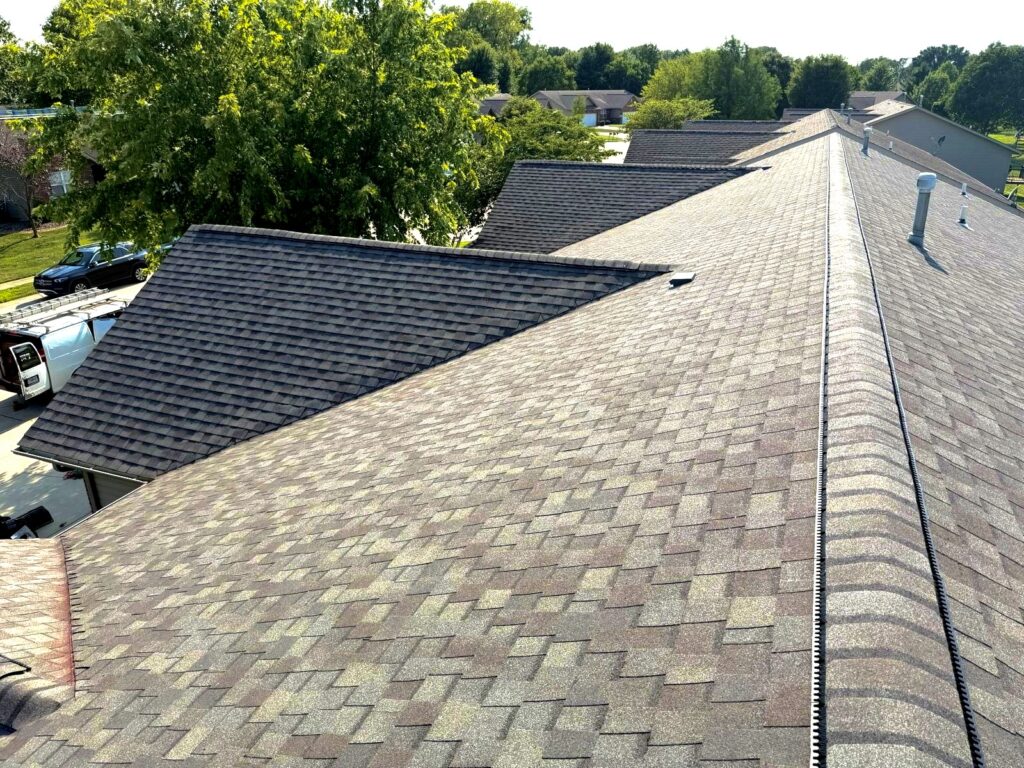
A roof is usually made up of several slopes or sections. On some homes, those sections are clearly separated by ridges, valleys, walls, or changes in elevation.
If damage is isolated to one of those areas, it may be possible to remove and replace the shingles on that section without replacing every shingle on the home.
However, just because it can be done doesn’t always mean it’s the best long-term option.
How Old Is the Rest of the Roof?
The age of the existing roof is one of the biggest factors.
If most of your roof is relatively new and one area was damaged by a specific event, replacing only that section may make sense.
But if the entire roof is already approaching the end of its useful life, replacing one section could mean paying for another roofing project a few years later when the remaining shingles need to be replaced.
In that situation, completing the entire roof at once may make more sense.
Why Is Only One Section Damaged?
Not all roofing damage affects the entire home equally.
One section may receive more wind exposure during a storm. A tree limb could damage one slope. A leak might develop around a specific roof feature. In other cases, one side of the roof may age differently because of sun exposure, shade, moisture, or other environmental conditions.
Finding out why that section has a problem is important before deciding how much roofing needs to be replaced.
Can New Shingles Match the Existing Roof?
This is another consideration homeowners don’t always think about.
Asphalt shingles naturally change in appearance as they’re exposed to sunlight and weather. Even if the exact same manufacturer, product, and color are still available, brand-new shingles may not look identical to shingles that have been on your home for years.
If your existing shingle has been discontinued, finding a close match can become even more difficult.
A partial replacement can therefore leave a noticeable difference between the new and existing sections.
The Location of the Damage Matters
Some roof sections are easier to separate than others.
Roof slopes connect through ridges, valleys, flashing, and other parts of the roofing system. Replacing one section correctly means the new roofing materials still need to integrate properly with everything around them.
That’s why a roofing contractor needs to evaluate more than the damaged shingles themselves.
What If Only a Few Shingles Are Damaged?
You may not need to replace an entire section at all.
If the roof is otherwise in good condition and the damage is limited to a small number of shingles, a roof repair may be enough.
The goal shouldn’t automatically be to replace as much roofing as possible. It should be to determine what work is actually necessary to keep the home protected.
When Does a Full Roof Replacement Make More Sense?
Replacing the entire roof may be the better choice when:
- The existing roof is already old
- Multiple areas are showing signs of wear
- Damage extends beyond one isolated section
- Matching the existing shingles is difficult
- There are recurring roofing problems
- The remaining roof will likely need replacement soon anyway
A professional roof inspection can help determine whether you’re dealing with an isolated problem or signs of a larger issue.
Don’t Assume a Small Problem Means a Whole New Roof
Seeing damage on your roof doesn’t automatically mean every shingle needs to come off.
Sometimes a repair or partial replacement is appropriate. Other times, replacing one section would only postpone a full replacement that’s already becoming necessary.
The best answer depends on the condition of your specific roof.
Frequently Asked Questions
In some situations, yes. If the roof has clearly separated sections and the remaining roofing is still in good condition, replacing only the affected portion may be possible.
Potentially. A roofing contractor will need to consider the roof design, age, damage, shingle availability, and how that slope connects to the rest of the roofing system.
Not always. Existing shingles can fade and weather over time, so even the same color may look different when new shingles are installed beside older ones.
Not necessarily. A leak can sometimes be repaired without replacing the entire roof. An inspection can help determine where the water is entering and how extensive the problem is.
The upfront cost may be lower than replacing the entire roof. However, if the remaining roof is nearing the end of its lifespan, a partial replacement could result in another roofing expense sooner than expected.
Not Sure How Much of Your Roof Needs to Be Replaced?
You shouldn’t have to guess whether a damaged area needs a repair, partial replacement, or an entirely new roof. Barringer Brothers Roofing can inspect your roof, identify the extent of the problem, and explain your options.
Call Barringer Brothers Roofing at (618) 703-3036 or fill out our online contact form to schedule your free estimate.
