
A new roof can look great from the driveway. The shingles are straight, the color looks good, and everything appears finished. But does that actually mean you have a good roof?
Not necessarily.
There are definitely things homeowners can notice just by looking at a roof, but some of the most important parts of a quality roofing system aren’t visible once the shingles are installed. Underlayment, fastening, flashing details, ventilation, roof decking, and installation practices all contribute to how well a roof performs.
At Barringer Brothers Roofing, we’ve served homeowners throughout O’Fallon, IL and the Metro East since 2004, earning 200+ five-star reviews. We install CertainTeed asphalt roofing systems and know that a roof needs to do much more than look good on installation day.
So, what can you tell by looking at a roof—and what’s hidden underneath?
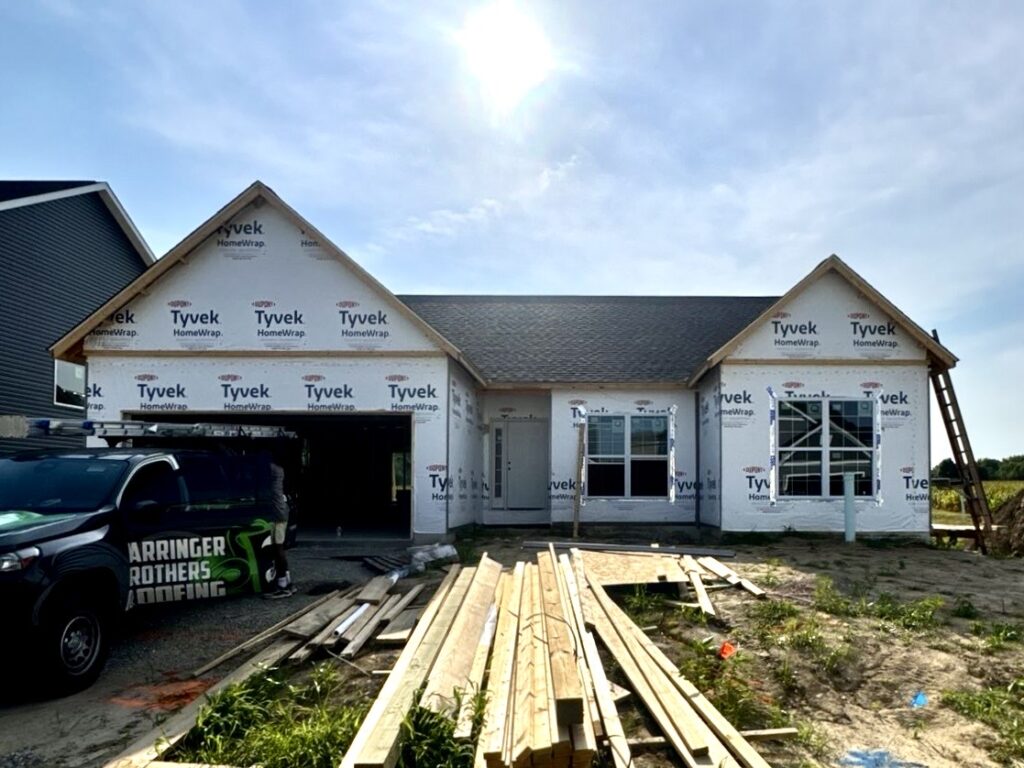
What Should a Good Roof Look Like?
Let’s start with what you actually can see.
From the ground, a properly installed asphalt roof should generally have a clean, consistent appearance. Shingle courses should look straight, roof edges should appear finished, and you shouldn’t immediately notice shingles that are missing, crooked, cracked, or sticking up.
The ridge and hip areas should also have a clean finished appearance rather than looking uneven or pieced together.
If you’re looking at a brand-new roof, keep in mind that asphalt shingles can sometimes need exposure to warmer temperatures and sunlight to completely settle and seal. A small visual imperfection immediately after installation doesn’t automatically mean something is wrong.
Straight Shingles Don’t Tell the Whole Story
Here’s where judging a roof by appearance gets tricky.
A roof can look nearly perfect from your driveway while important installation details underneath the shingles are completely hidden.
Once a roofing project is finished, you generally can’t see:
- How the roof decking looked before installation
- What underlayment was used
- How the shingles were fastened
- Nail placement
- Waterproofing in vulnerable areas
- Many flashing details
- How different roofing components were installed together
Those details can have a major impact on how the roofing system performs years after the crew leaves.
What’s Under the Shingles Matters
Homeowners naturally focus on shingles because that’s what they see.
But shingles are only the outermost visible portion of a roofing system.
Underlayment provides another protective layer over the roof deck. Certain areas may also require additional waterproofing protection, while starter shingles, flashing, hip and ridge shingles, and other components each have a specific job.
CertainTeed specifically identifies underlayments, starter shingles, hip and ridge accessories, and ventilation as parts of a complete residential roofing system.
When all you can see is the finished roof, you’re seeing only part of the work that went into it.
Proper Fastening Isn’t Easy to Judge From the Ground
How asphalt shingles are fastened matters.
Shingles need to be installed according to the manufacturer’s requirements, including proper fastening practices. Incorrect fastening may not create an obvious visual problem immediately after installation.
That’s one reason contractor experience matters.
CertainTeed’s contractor training covers fastening, flashing, ventilation, underlayments, roof systems, and proper shingle installation techniques—all details that contribute to workmanship even though homeowners may never see them once the roof is finished.
Flashing Can Make a Big Difference
Your roof isn’t one uninterrupted field of shingles.
Chimneys, vents, dormers, walls, valleys, and other transitions create areas where water needs to be carefully directed away from the home.
That’s where flashing becomes important.
Some flashing is visible, but homeowners usually can’t evaluate every flashing detail simply by standing in the yard. Improper or deteriorated flashing can create opportunities for water intrusion even when the surrounding shingles look perfectly fine.
Don’t Forget About Roof Ventilation
Here’s another part of a “good roof” that you probably won’t judge by appearance: ventilation.
A properly designed attic ventilation system uses intake and exhaust ventilation to allow air to move through the attic. CertainTeed notes that balanced ventilation can help create cooler attics in summer and drier attics in winter.
You could have beautiful new shingles and still need the rest of the roofing system to be designed and installed properly.
That’s why simply asking, “Do the shingles look good?” doesn’t tell you everything you need to know.
Can a Bad Roof Look Good?
Unfortunately, yes.
Some installation problems may not immediately change the appearance of a roof.
That’s what makes choosing the roofing contractor so important. You’re trusting the contractor to properly install components that you may never personally see again after the project is complete.
A quality roofing job isn’t only about making everything look good for the final picture. It’s about what happens before, underneath, and around those shingles too.
Can a Good Roof Look Bad?
There’s another side to this question.
Sometimes homeowners assume something is wrong because of a roof’s appearance when the issue may be cosmetic.
For example, algae can create dark streaks across asphalt shingles. Different lighting can make sections of the same roof appear slightly different. A previous repair may also be noticeable because older and newer shingles don’t perfectly match.
Appearance can give you clues, but it doesn’t always tell you the condition of the roofing system.
What Are Actual Warning Signs I Can See?
Although appearance can’t tell you everything, there are definitely visible problems homeowners shouldn’t ignore.
Watch for:
- Missing shingles
- Cracked or visibly damaged shingles
- Shingles that appear lifted
- Sagging areas
- Damaged or displaced flashing
- Significant granule loss
- Debris damage
- Unusual sections that look different from the surrounding roof
CertainTeed recommends homeowners visually check roofs for issues such as missing, cracked, curling, or loose shingles and flashing problems, while leaving closer roof evaluation to professionals.
What About a Brand-New House?
This question becomes especially interesting when you’re building or buying a new construction home in O’Fallon.
Everything is new, so it’s easy to assume the roof must automatically be good.
A new roof shouldn’t have years of weather-related wear, but its quality still depends heavily on the materials and installation.
If you’re buying a newly constructed home, it’s reasonable to find out which roofing products were installed and keep any available manufacturer and contractor documentation for your records.
“Brand new” tells you the age of the roof. It doesn’t tell you every detail about how it was installed.
So, How Do You Actually Know You Have a Good Roof?
Start with the visible condition—but don’t stop there.
A quality asphalt roof comes down to a combination of:
Good materials + a complete roofing system + proper installation.
The shingles should look good, but the work underneath them matters just as much.
That’s also why homeowners shouldn’t automatically choose a roofing contractor based on the lowest estimate or the shingle color they like best. You’re paying for an entire roofing system and the workmanship required to install it correctly.
Frequently Asked Questions
You can spot some obvious issues from the ground, but you can’t verify every part of an installation visually. Many important roofing components and installation details are covered once the shingles are installed.
New asphalt shingles may need warm temperatures and sunlight to fully settle and seal. However, shingles that remain noticeably lifted or irregular may be worth having checked.
Yes. A roof being new doesn’t automatically guarantee that every component was installed correctly.
From the ground, you generally want to see consistent shingle courses, finished edges and ridges, and no obvious missing, damaged, or significantly lifted shingles.
They’re extremely important, but they’re only one part of the roofing system. Underlayment, flashing, ventilation, starter shingles, ridge components, decking, and proper installation all contribute to the roof’s performance.
You can safely look at the roof from the ground, but avoid climbing onto it yourself. CertainTeed recommends ground-level observation and having roofing professionals handle closer evaluation.
Want to Know What’s Actually Going Into Your Roof?
A roof should look good when it’s finished—but quality goes much deeper than curb appeal.
Barringer Brothers Roofing provides asphalt roof replacement and new construction roofing throughout O’Fallon, IL and the surrounding Metro East, using CertainTeed roofing products and paying attention to the details homeowners may never see from the driveway.
Call (618) 703-3036 or fill out our online contact form.
