
A roof can fail for many reasons, but the most common include poor installation, severe weather, water intrusion, inadequate ventilation, damaged decking, drainage problems, neglected repairs, and normal aging. In many cases, roof failure isn’t caused by one major event. Several smaller issues can gradually shorten the life of the roofing system.
At Barringer Brothers Roofing, we’ve worked on roofs throughout O’Fallon and the Metro East since 2004. One thing homeowners should know is that the shingles are only one part of the roof. How the entire roofing system is installed and maintained can make a major difference in how well it performs over time.
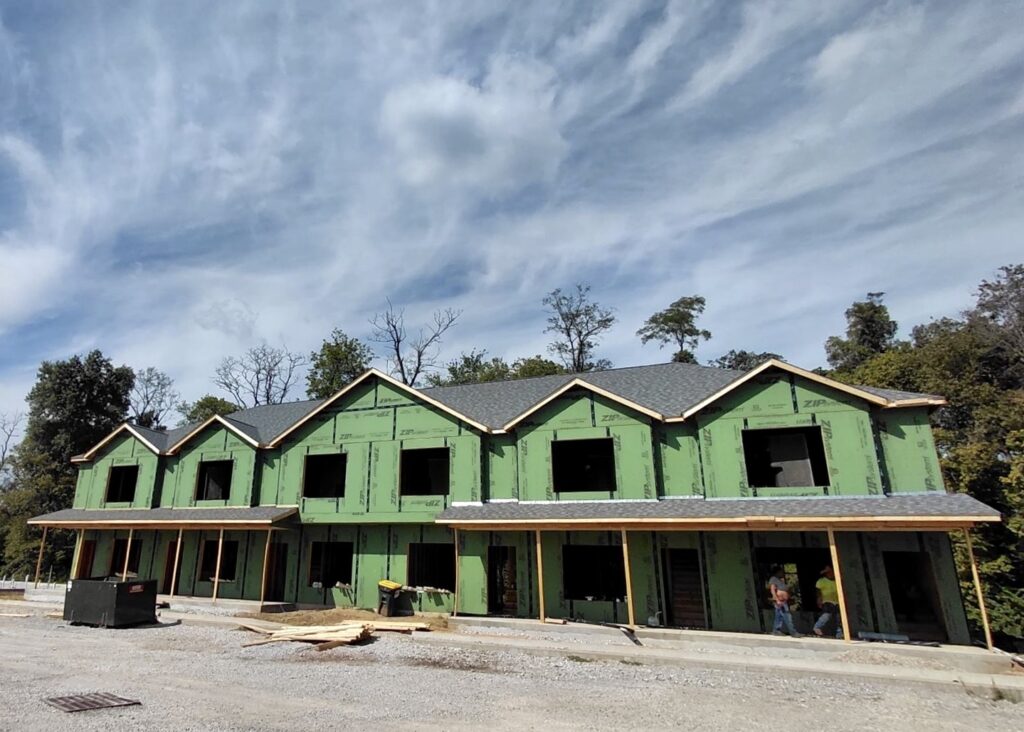
1. Poor Roof Installation
Even quality roofing materials can develop problems when they aren’t installed correctly.
Improper fastening, poorly installed flashing, incorrect shingle placement, and mistakes around valleys or roof penetrations can all create weak points in a roofing system.
That’s one reason the contractor installing the roof matters just as much as the materials being used.
A properly installed asphalt roof should function as a complete system, with the shingles, decking, underlayment, flashing, ventilation, drip edge, and other components working together.
2. Wind, Hail and Severe Weather
Weather is one of the biggest threats to a roof, particularly in an area like Southern Illinois where homes can experience thunderstorms, high winds, hail, heavy rain, and significant temperature changes throughout the year.
Wind can loosen or remove shingles, while hail can damage roofing materials during severe storms.
And storm damage isn’t always obvious from the ground.
A roof can still appear relatively normal from the driveway even when certain areas have been affected.
3. Water Getting Where It Shouldn’t
Ultimately, one of a roof’s most important jobs is keeping water out of the house.
Roofing systems are designed to shed water, but certain areas require extra attention. Valleys, flashing, vents, chimneys, roof edges, and other transitions can become potential problem areas if they’re damaged or improperly installed.
A small water-entry point can eventually affect materials underneath the shingles.
That’s also why a roof problem doesn’t necessarily begin with water dripping from the ceiling. By the time a leak becomes obvious inside, water may already have been entering somewhere in the roofing system.
4. Poor Attic Ventilation
Roof performance isn’t only affected by what’s happening outside.
Attic ventilation helps manage heat and moisture underneath the roofing system. When ventilation isn’t working properly, conditions inside the attic can contribute to problems with the roof and other parts of the home.
A balanced roofing system considers what’s happening both above and below the roof deck.
5. Damaged Roof Decking
Underneath your shingles is roof decking, which creates the solid surface supporting the roofing system.
If sections of decking become deteriorated or damaged by moisture, simply covering the problem with new shingles doesn’t fix the underlying issue.
This is also why decking is evaluated during a roof replacement once the old roofing materials are removed. Some damage may not be fully visible until tear-off.
6. Waiting Too Long to Make a Repair
A small roofing problem isn’t always an emergency, but ignoring a known issue can allow it to become more extensive.
For example, replacing or repairing a damaged area early may be relatively straightforward. If water is allowed to repeatedly enter the roofing system, additional materials can eventually be affected.
Homeowners don’t need to panic every time they notice something unusual, but visible damage, missing shingles, active leaks, or changes after a major storm are worth addressing.
7. Gutter and Drainage Problems
Your gutters and roof perform different jobs, but they work together to manage rainwater.
Water should move down the roof, into the gutters, through the downspouts, and away from the house.
When gutters aren’t draining correctly, water may overflow or collect where it shouldn’t.
That’s why roofing shouldn’t always be considered separately from the rest of the home’s exterior drainage system.
Barringer Brothers Roofing provides both roofing and gutter services throughout the Metro East, allowing homeowners to address both systems when necessary.
8. Trees and Debris
Trees around a home aren’t automatically bad for the roof, but they can create additional risks.
Branches can fall during storms, limbs can rub against roofing materials, and leaves or other debris can collect in certain areas.
Trees can also make it harder for portions of a roof to dry when those areas remain heavily shaded.
Keeping branches reasonably clear of the roof and watching for debris buildup can help reduce unnecessary problems.
9. Normal Aging
Even a well-installed roof won’t last forever.
Asphalt shingles spend years exposed to sunlight, rain, wind, hail, heat, cold, and changing temperatures. Eventually, roofing materials begin to deteriorate.
The important distinction is that roof age alone doesn’t tell you whether a roof has failed.
Two roofs of the same age can be in very different condition depending on their installation, materials, ventilation, weather exposure, storm history, and other factors.
Can a Newer Roof Fail?
Yes.
A roof doesn’t have to be old to develop a problem.
A newer roof can experience storm damage, installation problems, flashing issues, ventilation concerns, or damage from falling debris.
That’s why “it’s only a few years old” doesn’t completely rule out a roofing issue.
At the same time, a problem with one part of a newer roof doesn’t automatically mean the entire roof needs to be replaced. Depending on what’s happening, a repair may be appropriate.
What Part of a Roof Usually Fails First?
There isn’t one component that always fails first.
Problem areas vary depending on the home and roof design. Roof penetrations, flashing, valleys, shingles, edges, and other transitions can all experience issues.
A simple roof with few penetrations also has different potential problem areas than a complicated roof with multiple slopes, valleys, and transitions.
That’s why diagnosing a roofing problem usually requires looking at the system rather than assuming the shingles are responsible.
How Can You Help Prevent Premature Roof Failure?
You can’t control every storm or prevent roofing materials from eventually aging, but you can avoid allowing known problems to continue unnecessarily.
Pay attention to obvious changes, keep gutters functioning properly, manage nearby tree branches, and have potential problems evaluated when something doesn’t look right.
Most importantly, when replacing a roof, choose an experienced roofing contractor that pays attention to the entire roofing system, not only the shingles.
Frequently Asked Questions
There isn’t one cause for every roof. Installation problems, severe weather, water intrusion, aging, ventilation issues, and neglected damage can all contribute to roof failure.
Yes. A roof can have damaged or deteriorating components before water becomes visible inside the home. A ceiling leak isn’t the only sign of a roofing problem.
Sometimes. Localized problems may be repairable, while widespread damage or deterioration may make replacement more practical. A roofing contractor can evaluate the roof before recommending either option.
Yes. Roofs in Southern Illinois are exposed to thunderstorms, wind, hail, rain, heat, cold, and seasonal temperature changes. Over time, weather exposure can contribute to normal roofing wear.
Have Concerns About Your Roof?
Roof failure isn’t always one dramatic event. Sometimes it’s a small problem that develops over time, and other times severe weather causes damage unexpectedly.
Barringer Brothers Roofing has served O’Fallon and communities throughout the Metro East since 2004, providing asphalt roof replacement, roof repair, inspections, storm damage services, and new construction roofing.
For more information about your roof, a repair, or an upcoming roofing project, call Barringer Brothers Roofing at (618) 703-3036 or fill out our online contact form.
