
Drip edge is a thin piece of metal installed along the edges of a roof to direct rainwater away from the roof decking, fascia, and other parts of the home below. It extends slightly beyond the roof edge so water can drip away instead of curling underneath the shingles or running back toward the wood.
It may be one of the least noticeable parts of your roof, but it has an important job.
At Barringer Brothers Roofing, we’ve been installing and replacing asphalt shingle roofs throughout Troy and the Metro East since 2004. A properly installed roofing system involves much more than the shingles you see from the street. Decking, underlayment, flashing, ventilation, drip edge, and other components all work together to protect the home.
Barringer Brothers provides roof replacement, repairs, inspections, storm damage repair, and new construction roofing throughout the area.
So what exactly does drip edge do, where does it go, and why does your roof need it?
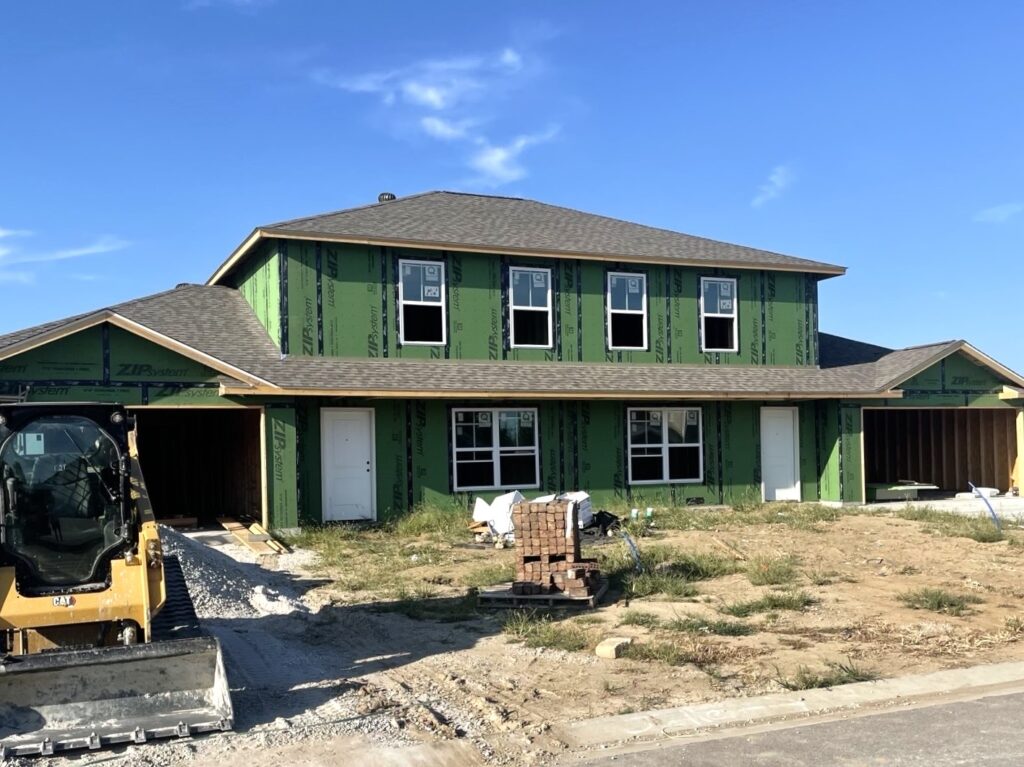
What Does Drip Edge Actually Do?
The main purpose of drip edge is water management.
When rain reaches the edge of your roof, you want that water to continue moving away from the roofing system. Without the right edge detail, water can potentially curl underneath the edge of the shingles instead.
Drip edge creates a metal extension at the perimeter of the roof that helps water drip clear of the underlying construction. At the eaves, it also helps direct water toward the gutter system.
Think of it as a small finishing detail that helps control exactly where water goes when it reaches the end of the roof.
Where Is Drip Edge Installed on a Roof?
Drip edge is installed around the perimeter of an asphalt shingle roof, particularly along the eaves and rakes.
Those terms can be confusing if you don’t work with roofs every day.
The eaves are the lower horizontal edges of the roof. They’re typically the areas where gutters are installed.
The rakes are the sloped edges along the sides of a roof.
Drip edge protects these exposed roof edges and provides a clean transition between the roofing materials and the exterior below.
What Does Roof Drip Edge Look Like?
If you’ve never paid attention to it before, you may have looked at drip edge hundreds of times without realizing what it was.
It’s generally a narrow strip of formed metal that follows the edge of the roof. Part of it extends underneath the roofing materials, while another portion bends downward along the roof edge.
Once the roof is complete, most of the drip edge isn’t especially noticeable.
From the ground, you may only see a thin metal line underneath the edge of the shingles.
That’s why homeowners sometimes don’t realize their roof even has it.
What Is Drip Edge Made Of?
Roof drip edge is made from non-corrosive metal formed into a shape that allows it to protect the roof edge and move water away from the underlying construction.
It’s designed to remain exposed to outdoor conditions, so the material needs to withstand repeated contact with rain, moisture, temperature changes, and other weather.
The exact profile can vary, but the basic purpose remains the same: create a durable edge that helps water leave the roof where it’s supposed to.
Is Drip Edge the Same Thing as Flashing?
Drip edge is a type of roof flashing, but not all flashing is drip edge.
“Flashing” is a broader roofing term for materials used to help direct water away from vulnerable areas.
For example, flashing may be installed around chimneys, walls, roof penetrations, or other transitions.
Drip edge is specifically designed for the edges of the roof.
So if a roofer mentions flashing and drip edge separately, they’re not necessarily talking about two unrelated things. Drip edge simply has a specific location and purpose within the overall roofing system.
Why Can’t the Shingles Just Hang Over the Edge?
Shingles do extend beyond the roof edge, but shingles alone aren’t the entire water-management system.
Water doesn’t always fall perfectly straight from a roof.
Wind, surface tension, and the shape of the roof edge can influence how water moves. Without a proper edge detail, water can potentially curl around the edge rather than dropping cleanly away.
Drip edge provides a defined metal edge that helps prevent that from happening. GAF describes its purpose as keeping water from curling around the shingles and back toward the house.
It’s a good example of why a roof is more than what you can see from the street.
How Does Drip Edge Work With Gutters?
Drip edge and gutters perform different jobs, but they’re part of the same overall drainage process.
Your shingles shed rainwater toward the bottom of the roof. The drip edge helps that water leave the roof edge cleanly, and the gutter catches the runoff and carries it toward the downspouts.
The downspouts then move the water away from the house.
Barringer Brothers installs both roofing and gutter systems throughout the Metro East, including Troy, Belleville, O’Fallon, Edwardsville, and surrounding communities.
When all of these components are working correctly, water has a planned path from the roof to the ground instead of ending up where it shouldn’t.
Does Drip Edge Get Replaced With a New Roof?
Drip edge is one of the components a roofing contractor should evaluate as part of a roof replacement.
When an old roof is removed, the contractor gets an opportunity to inspect areas and components that weren’t fully visible before tear-off.
A roof replacement shouldn’t be viewed as simply taking off old shingles and putting new shingles in the same place.
It’s an entire roofing system.
Barringer Brothers’ new construction and replacement work includes attention to components beneath and around the shingles, including decking, underlayment, fastening, flashing, ventilation, and drainage.
Can You Add Drip Edge to an Existing Roof?
In some situations, drip edge can potentially be added or corrected on an existing roof, but whether that makes sense depends on the way the roof is currently installed.
Trying to slide new material underneath existing roofing components isn’t always as straightforward as it sounds.
If you’re concerned that your roof doesn’t have drip edge—or that the existing drip edge was installed incorrectly—it’s better to have a roofing contractor look at the actual roof before assuming the entire system needs to be changed.
Does Drip Edge Matter on a New Construction Roof?
Yes. Water management matters whether a roof is being installed on a 50-year-old home or a house that’s still under construction.
In fact, new construction is an opportunity to get all of these details right from the beginning.
Barringer Brothers Roofing works with homeowners and builders on new construction roofing throughout Troy and the Metro East, coordinating roofing installation with the larger construction schedule.
The finished shingles may be what everyone notices, but components such as drip edge, underlayment, flashing, decking, ventilation, and proper fastening are all part of building the complete roofing system.
Frequently Asked Questions About Roof Drip Edge
Drip edge is a metal flashing installed along roof edges. It helps direct rainwater away from the roof decking and underlying construction and toward the drainage system.
Missing or improperly installed drip edge can create an opportunity for water to reach areas it is intended to protect. However, roof leaks can have many causes, so the source of a leak should be properly evaluated.
Drip-edge requirements can depend on the roofing system and applicable building requirements. Regardless, major roofing manufacturers describe properly installed drip edge at eaves and rakes as an important part of water management on asphalt shingle roofs.
Barringer Brothers Roofing installs drip edge and serves Troy along with communities throughout St. Clair, Madison, and Monroe Counties in Metro East Illinois.
Roofing in Troy and Throughout the Metro East
Drip edge isn’t the most exciting part of a roof, and it probably won’t be the first thing you notice when you pull into your driveway.
But that’s exactly why understanding the components underneath and around your shingles can be useful.
A roof isn’t one product. It’s a system of materials designed to work together to keep weather outside and move water safely away from your home.
Barringer Brothers Roofing has served Metro East Illinois since 2004, providing roof replacement, repairs, inspections, storm damage repair, and new construction roofing. The family-operated company is based in Belleville and serves Troy and communities throughout St. Clair, Madison, and Monroe Counties.
For more information about your roof, a repair, or an upcoming roofing project, call Barringer Brothers Roofing at (618) 703-3036 or fill out our online contact form.
