
You don’t have to climb onto your roof to notice that something may be wrong. In fact, homeowners can spot many common roofing problems safely from the ground if they know what to look for.
At Barringer Brothers Roofing, we’ve served homeowners throughout Belleville, IL and the surrounding Metro East since 2004, earning 200+ five-star reviews along the way. While a ground-level check can’t replace a professional roof inspection, regularly looking over your roof can help you notice changes before they turn into bigger problems.
Here’s what to look for the next time you step outside and take a look at your roof.
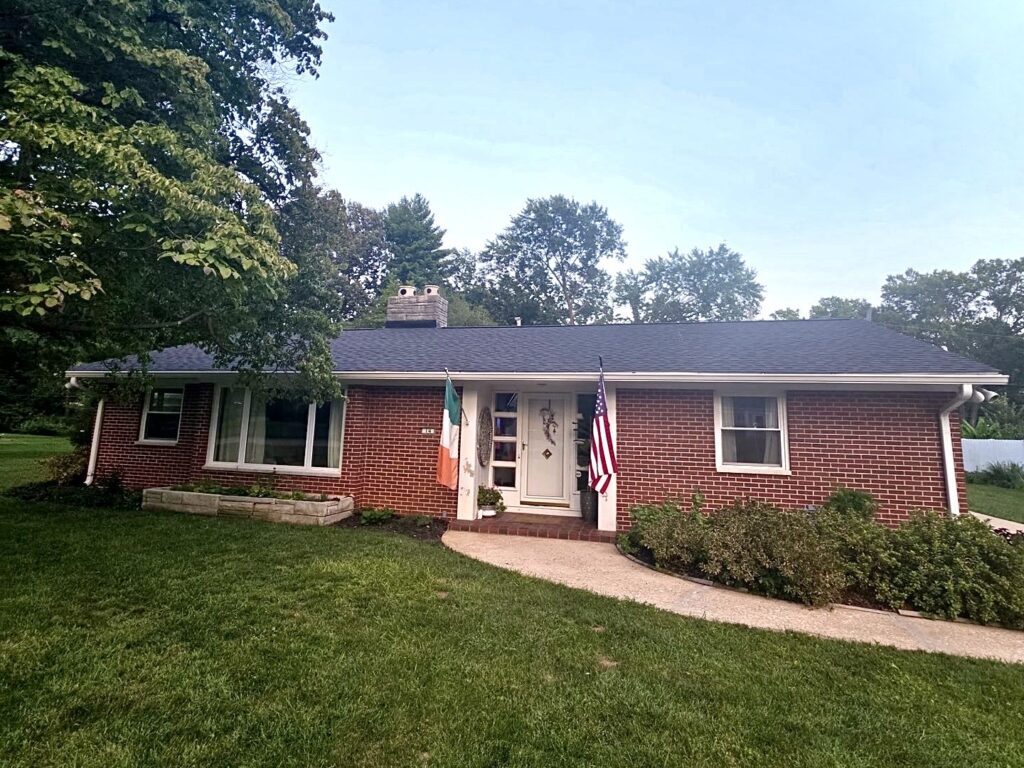
1. Missing Shingles
Missing shingles are one of the easiest roofing problems to spot from the ground.
Strong winds and severe storms can loosen or completely remove asphalt shingles. You may notice a section of the roof that looks different from the surrounding area or an obvious bare spot where a shingle used to be.
Even one missing shingle is worth paying attention to because shingles are part of the system designed to shed water away from your home.
If you find a shingle in your yard after a storm, take a look at your roof—or have a roofing contractor inspect it to determine where it came from.
2. Shingles That Look Lifted or Out of Place
Not every damaged shingle completely falls off the roof.
Look for shingles that appear raised, lifted, crooked, curled, or different from the shingles around them. These changes can sometimes be easier to notice when you’re looking across the roof from an angle.
Lifted shingles may be more vulnerable to additional wind and weather, so they’re worth having checked.
3. Areas That Look Different From the Rest of the Roof
Sometimes you won’t know exactly what you’re looking at—you’ll simply notice that one area doesn’t match.
Maybe a section appears darker. Maybe the shingles aren’t lying the same way. Maybe there’s an unusual patch or a section that suddenly looks more worn than the rest.
You don’t have to diagnose the problem yourself.
If something looks noticeably different, that’s enough reason to take a closer look or schedule an inspection.
4. Sagging Areas
Your roofline should generally appear straight and consistent.
If you notice an area that looks like it’s dipping or sagging, don’t ignore it. A sagging roofline can indicate an issue beneath the shingles and should be evaluated by a professional.
This is also a good reason to occasionally look at your roof from multiple sides of your property rather than always viewing it from the same spot.
5. Excessive Granules Around Your Downspouts
This one isn’t technically on the roof, but it can tell you something about what’s happening above you.
Asphalt shingles contain protective granules on their surface. Some granule loss is normal over the life of a roof, but excessive amounts can be a sign that shingles are experiencing wear.
Check around your gutter downspouts after heavy rain. If you’re consistently seeing large amounts of granules washing out, especially on an older roof, it may be worth having the roof evaluated.
6. Problems Around Chimneys and Roof Penetrations
If you can see your chimney, plumbing vents, or other roof penetrations from the ground, take a look at the roofing around them.
These areas rely on flashing and other installation details to help keep water out.
You probably won’t be able to evaluate the flashing properly from your yard, but you may notice something obviously loose, bent, missing, or out of place.
If an area around a chimney or vent suddenly looks different after a storm, have it checked rather than trying to climb up and investigate yourself.
7. Tree Damage or Debris
Trees can be great for shade, but branches and debris can create problems for a roof.
Look for:
- Large branches resting on the roof
- Broken limbs after a storm
- Heavy piles of leaves or debris
- Branches hanging directly over or touching the roof
- Visible damage where something may have struck the shingles
If a large limb has fallen onto your roof, don’t assume everything is fine just because you can’t see a hole from the ground. Damage isn’t always obvious from your yard.
8. Changes After a Storm
One of the best times to check your roof from the ground is after severe weather.
Belleville and the surrounding Southern Illinois area regularly experience thunderstorms, strong winds, hail, and other weather that can affect asphalt roofing.
After a significant storm, walk around your property and look for anything that seems different.
Check the roof itself, but also look around the yard for shingles or roofing materials that may have blown off.
Not all storm damage is visible from the ground, so if you suspect your home was affected, a professional inspection can provide a closer look.
9. Signs of Wear on an Older Roof
If you know your roof is getting older, occasional visual checks become even more useful.
From the ground, you may begin noticing changes such as curling shingles, uneven areas, missing shingles, or sections that simply look more worn than they used to.
Roof age alone doesn’t automatically mean you need a replacement, but visible deterioration combined with an older roofing system can be a sign that it’s time to have its condition evaluated.
Don’t Forget to Look Inside Your Home
Your roof check doesn’t have to stop outside.
Some of the first noticeable signs of a roofing problem can actually appear inside your home.
Pay attention to unexplained water stains on ceilings or walls, peeling paint near the ceiling, moisture in the attic, or other signs of water intrusion.
A roof can have a problem even when everything looks completely normal from your front yard.
What Can’t You See From the Ground?
A ground-level roof check is helpful, but it has limitations.
You usually can’t properly evaluate flashing, nail placement, soft decking, subtle hail damage, underlayment, ventilation components, or many smaller installation and wear issues without getting closer to the roofing system.
That’s why checking your roof from the ground should be considered a simple way to notice potential warning signs, not a complete roof inspection.
Should I Get on the Roof to Check It Myself?
We don’t recommend climbing onto your roof just to inspect it.
Roofs can be steep and slippery, and walking on the shingles creates an unnecessary safety risk when a roofing professional has the proper equipment and experience to evaluate the system.
If you see something questionable from the ground, take a photo if possible and contact a roofing contractor instead.
Frequently Asked Questions
It’s a good idea to occasionally look over your roof and check it again after significant storms or high winds. You don’t need to inspect it constantly—you’re mainly looking for noticeable changes.
Sometimes obvious deterioration can be visible, but a ground-level check usually isn’t enough to determine whether an entire roof needs replacement. A professional inspection can provide a much closer evaluation.
You may notice missing, lifted, creased, or displaced shingles. However, some wind damage can be difficult to see from the ground.
A missing shingle doesn’t necessarily mean you need an entirely new roof, but it should be addressed. A roofing contractor can determine the extent of the damage and whether a repair is appropriate.
You don’t necessarily need a professional inspection after every rainstorm. However, after severe thunderstorms, hail, or strong winds, a quick visual check from the ground can help you notice obvious changes.
Not Sure About Something You See on Your Roof?
You don’t need to climb a ladder or try to figure it out yourself.
Barringer Brothers Roofing provides roof inspections, repairs, and asphalt roof replacements throughout Belleville, IL and the surrounding Metro East. If you’ve noticed missing shingles, unusual wear, storm damage, or something that simply doesn’t look right, our team can take a closer look.
Call (618) 703-3036 or fill out our online contact form.
